English working translation. The German original is available via DE.
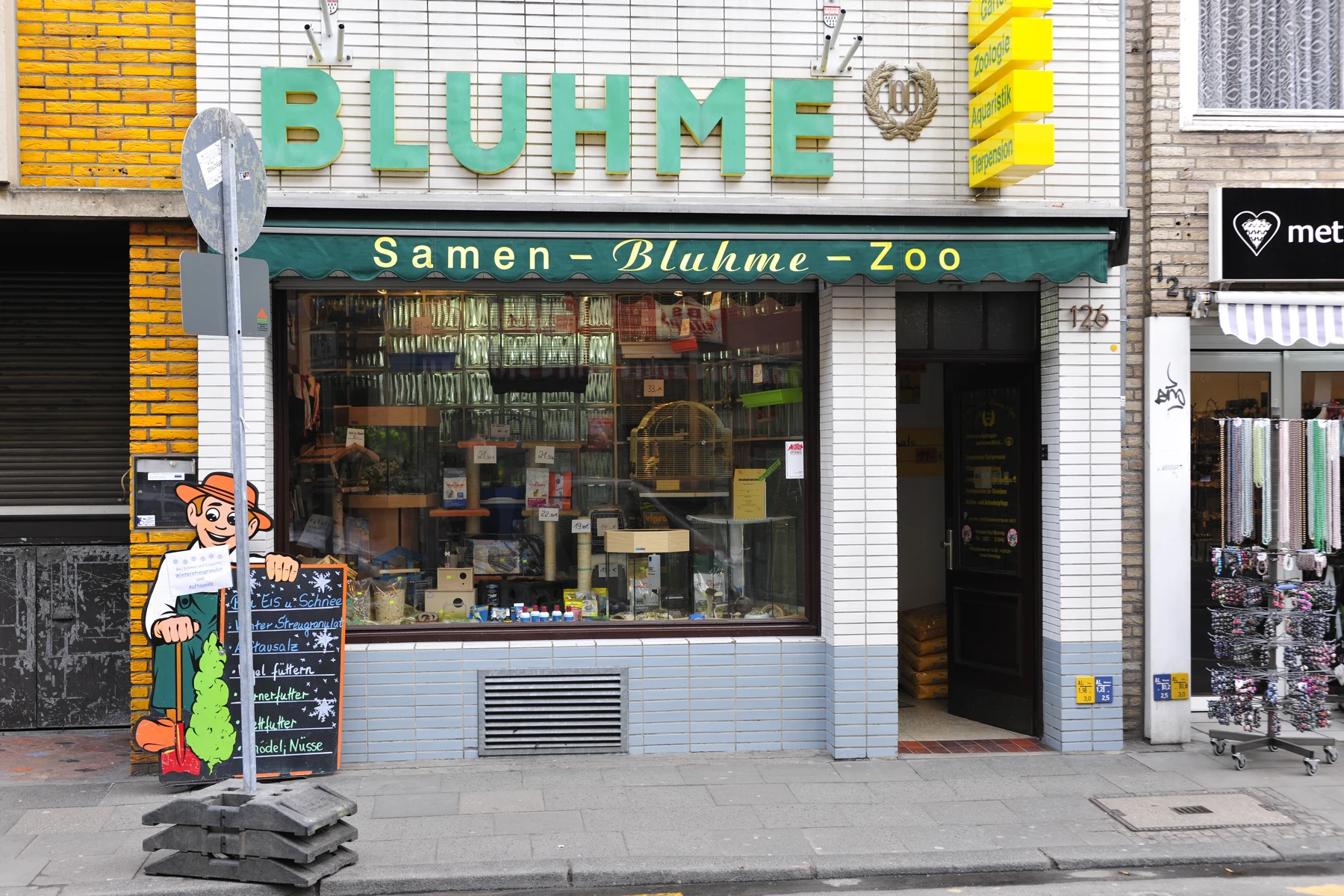
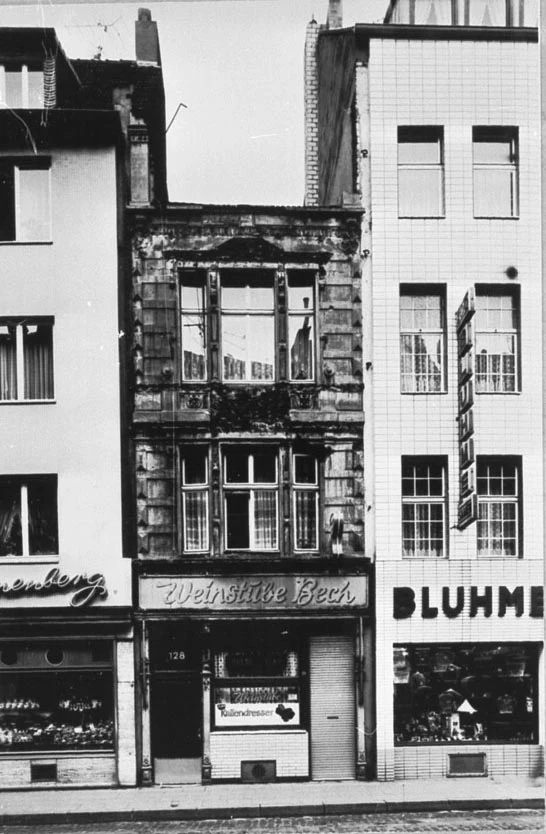
After more than 130 years, this traditional business was abandoned.
After the Franco-German War of 1870/1871, Cologne also experienced a great economic and industrial upswing. The Rheinauhafen is put into operation and a tram network is created. The population of Cologne is rising sharply during this time. Since the medieval city wall is largely demolished from 1881, the city can be significantly expanded
Important for this time is also the completion of the Cologne Cathedral 1842 to 1880. The facade plans of the Cologne Cathedral had been rediscovered, Goethe admired Gothic architecture, the cathedral became the symbol of a German national movement. The Prussian King Friedrich Willhelm IV also became a supporter.
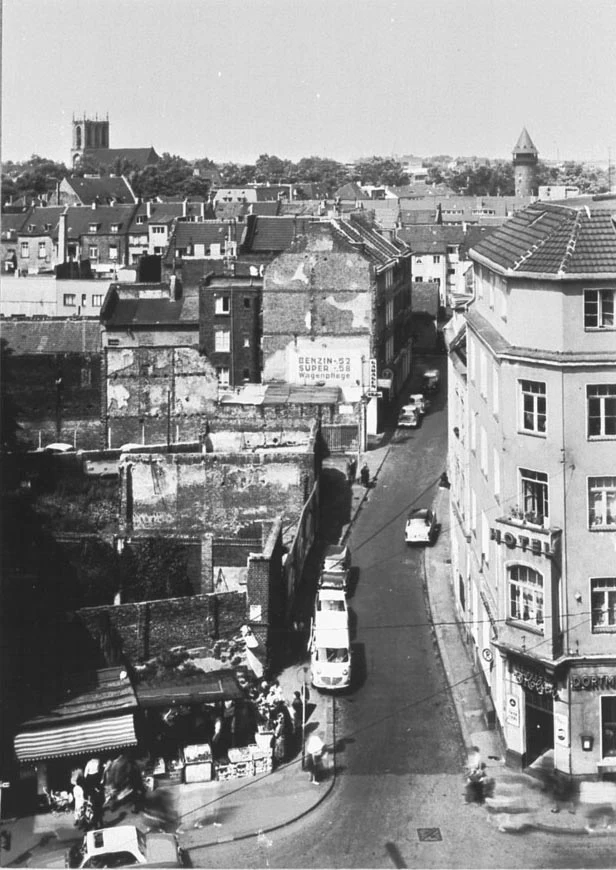
The Severinstraße already formed the main axis of the 20th century. Severinsviertel ("Vringsveedel"), her Urkölnische character has since been lost. The historian Joseph Klersch In 1949, after the Second World War, Severinstraße was called the “High Street of the South Workers’ Road”.[46] He meant this mainly by factory workers – also by the chocolate factory opened on October 1, 1872 in the neighbouring Annostraße. Stollwerck – inhabited “Vringsveedel”, whose main shopping street was Severinstraße.
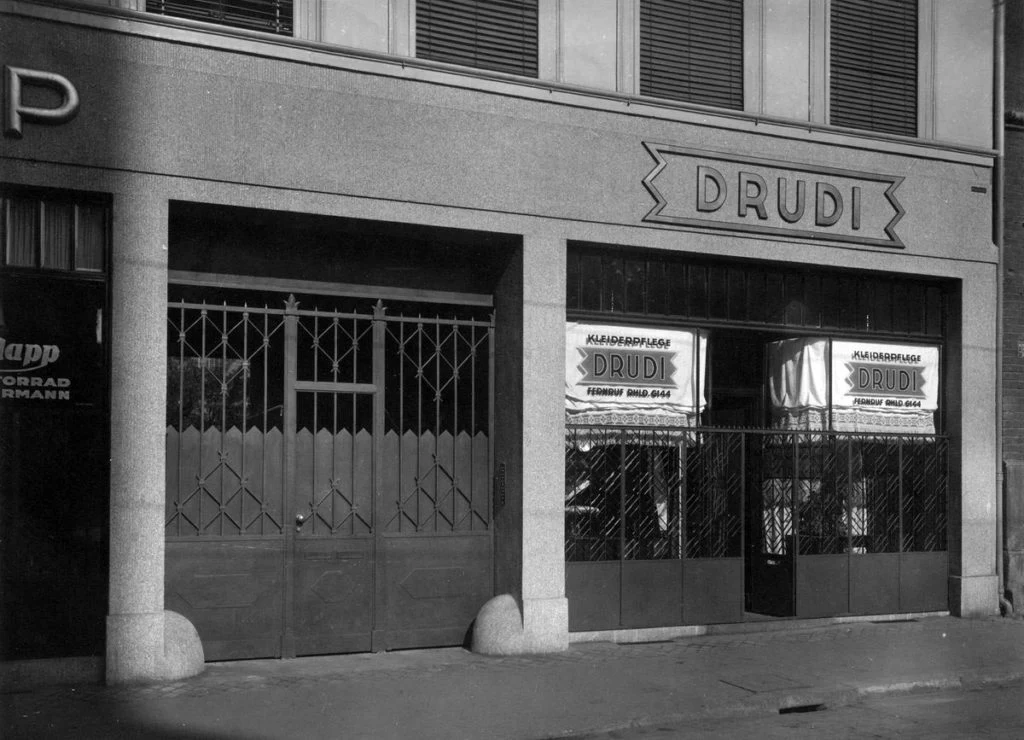
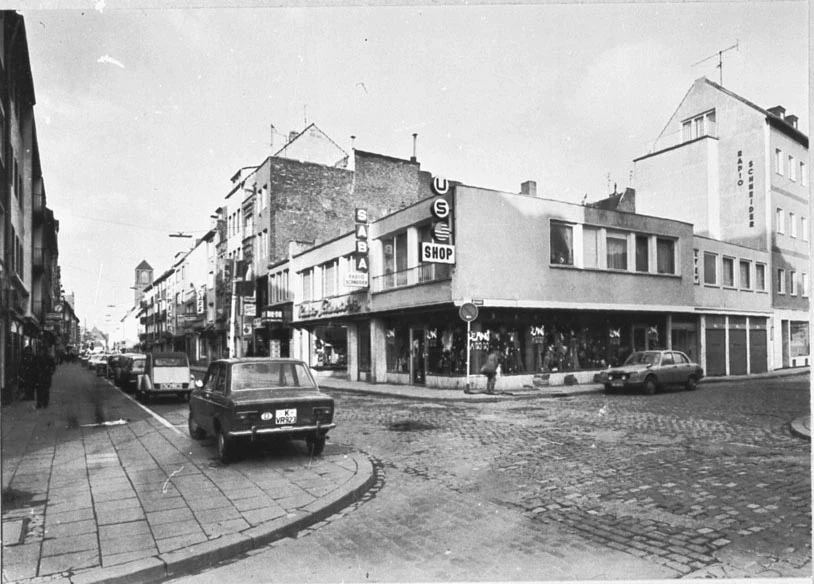
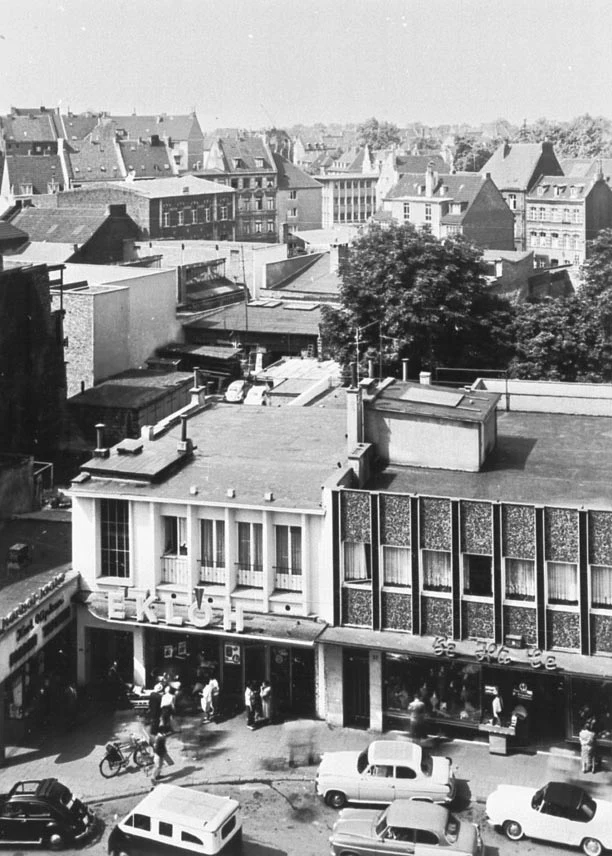
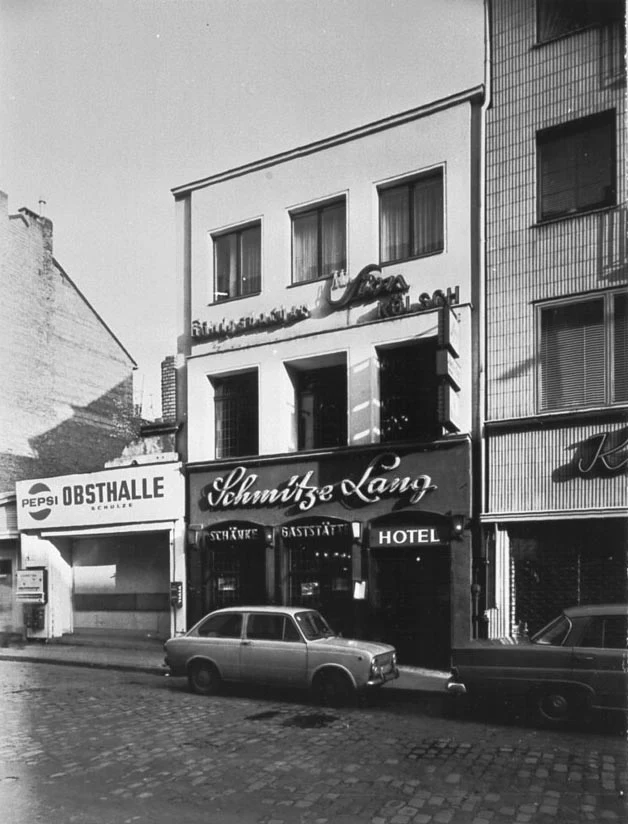
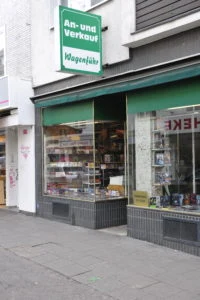
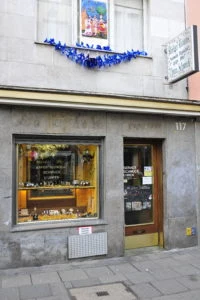
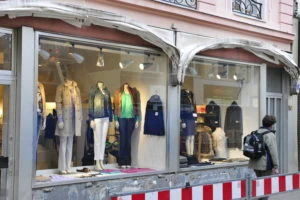
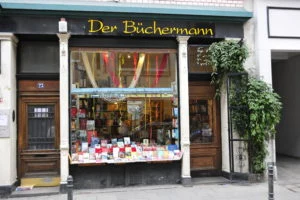
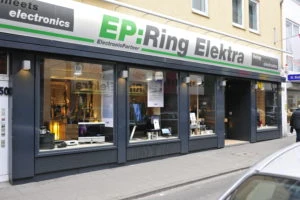
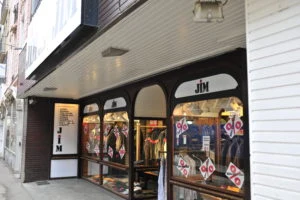
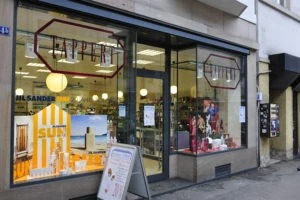
Due to the construction of the subway and the changes in the retail structures in the ancillary centers, the road has changed. Many long-established shops have disappeared from the streets and new ones have settled.
A few examples of recent businesses that no longer exist: