Monasteries and collegiate churches
Medieval Cologne is characterized by its city walls, its churches and numerous monasteries. A listing of the council from this period shows that in addition to 10 collegiate churches and the churches of the parish communities, there were 14 men and 24 women's monasteries (without chapels and order-like communities such as Begins, etc.) During the French occupation policy, numerous monasteries and collegiate churches were closed. Here is a selection of the conventions that were and are important for the history of Südstadt.
Cellite monastery Trinity. In 1365, the estate of Johann von Denandt became Convention for eight Begins established. The Convention was the supervision of the Custos and Thesaurars Subordinate to the Collegiate Church of St. Severin. The community lived in a house on Achterstraße. In 1828 the Convention was dissolved. Today on the property is the Museum Holz Schuhmacher.
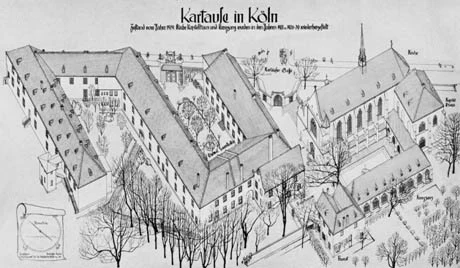
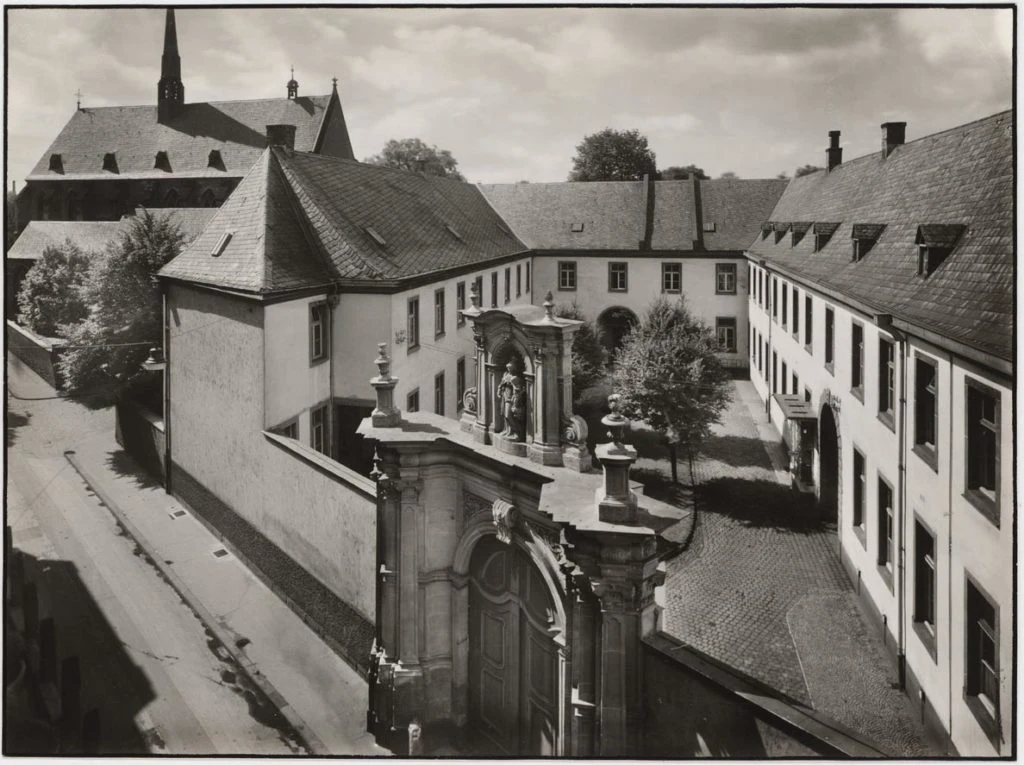
The Cartause of Cologne. The Cartause of Cologne was a branch of CarthusianOrder in Cologne Severinsviertel (Kartäuserwall). It was founded in 1334 and was considered the largest German branch and richest monastery in Cologne. In 1794 it was forcibly dissolved when the French troops entered Cologne. The Carthusian church Since 1928 belongs to the evangelical church community of Cologne.

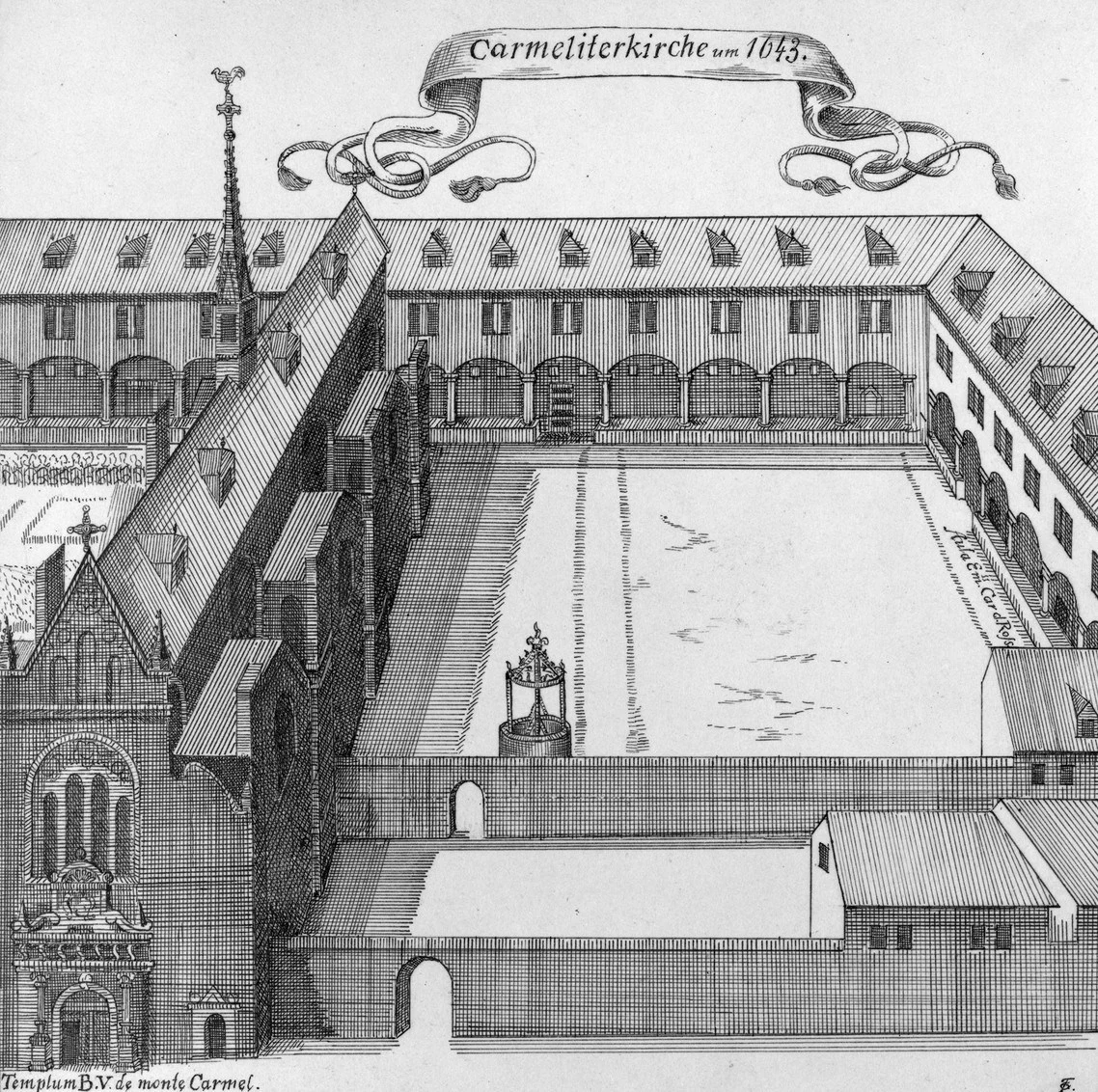
Maria vom Frieden The Convention of Discalced Carmelites It was built in 1637-39 on the site Vor den Transylvania / Schnurrgasse / Steinstr. Founded. The new founding of the convent in Cologne’s Südstadt was initiated by the brothers of the nearby Carmelite monastery (Cologne Waidmarkt). Il Gesu was the model of the Baroque church in Rome and was realized with the support of Maria de Medici (in exile in Cologne since 1641).
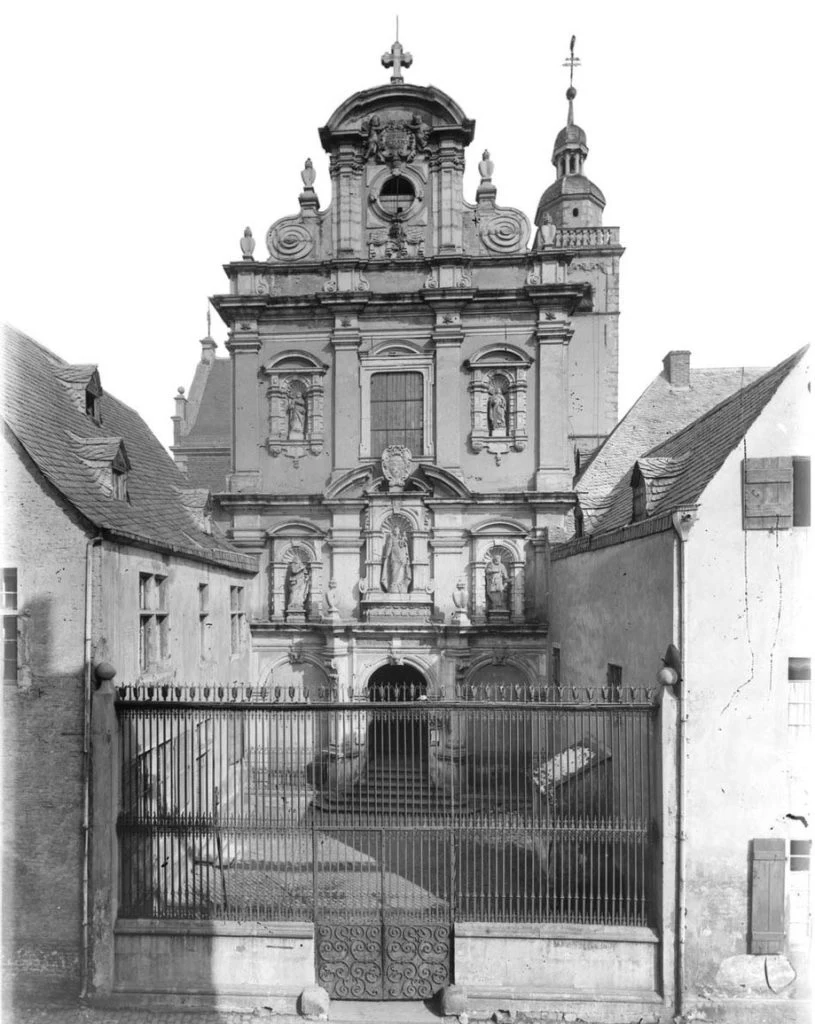
St. Mary from the Peace, Facade, View from the Snurgasse, Cologne, Rheinisches Bildarchiv (RBA 042 901, Cologne)Image credit: Rheinisches Bildarchiv Köln · Image source · Image credit
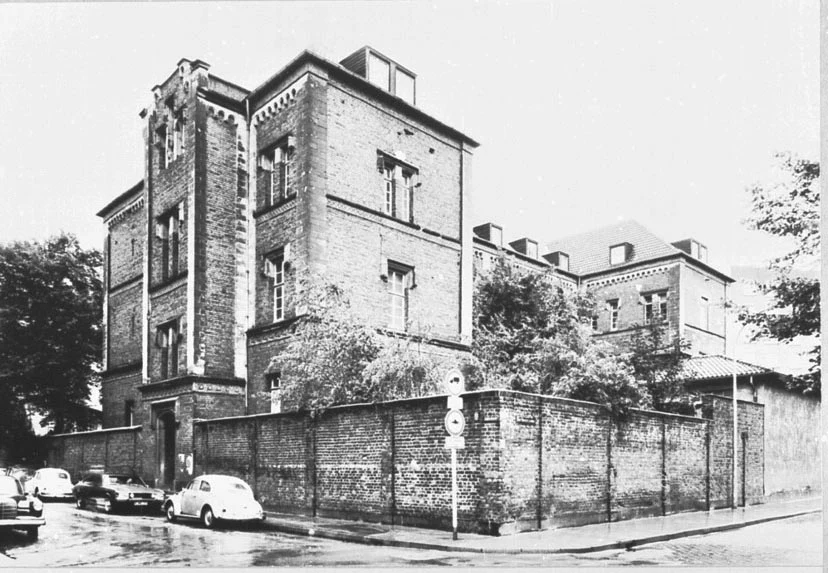
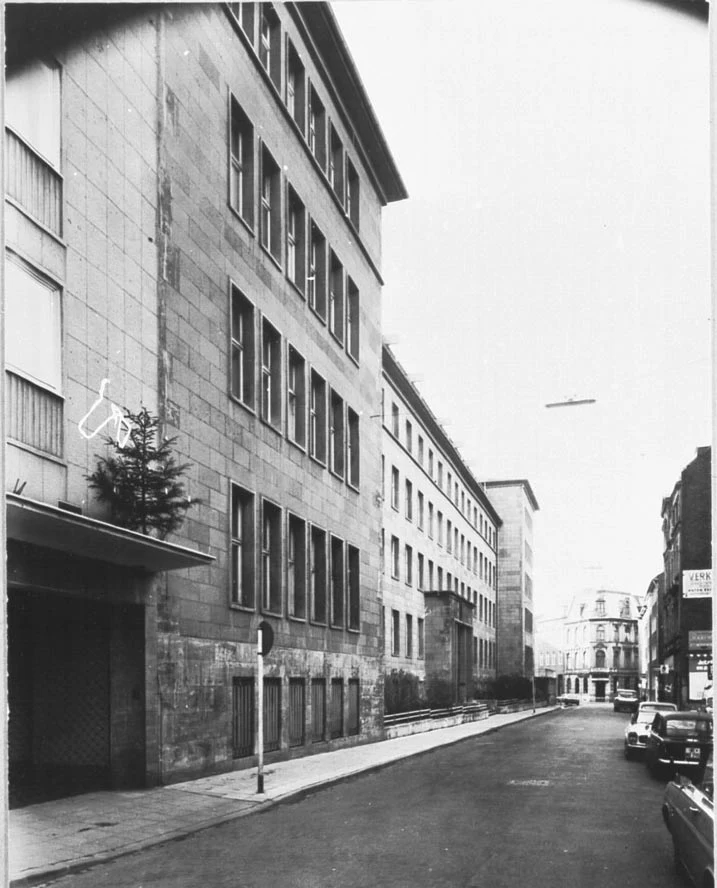
Hospital of the August interior “Severin monasteries” The house was founded in 1874 by the Religious Community of Cellites according to the rule of St. Augustine. Previously, several sisters from cellitinnenklöster had been called to the health service in Cologne’s Bürgerhospital am Neumarkt. As the sister community grew, she bought the Mommerlocher Hof in the Severinstr in 1869. 63 and founded his own mother house and novitiate. Today, after more than 140 years, it continues to be an institution in Cologne’s Südstadt.
Sources:
Carl Dietmar in “Cologne in the Middle Ages” – Secrets of the Painters, exhibition catalogue WRM, 2013
Carl Dietmar, Werner Jung: Cologne. The Great History of the City, 1st ed. 2015
https://www.kartaeuserkirche-koeln.de/geschichte_der_koelner_kartause_.aspx